2026 Hero Electric Cycle : Hero’s 2026 electric cycle is shaping up as one of the most interesting personal mobility stories of the year, especially for daily riders who want assistance, tech and efficiency without moving up to a bulky scooter.
Rather than being positioned as a niche fitness product, it targets students, office commuters and short‑distance urban users who battle traffic, pollution and increasingly high fuel costs every day.
Changing face of everyday commuting
Over the last few years, Indian cities have seen a steady push towards greener and more space‑efficient mobility, and the new Hero electric cycle plugs directly into that trend.
Rising congestion, parking shortages and stricter emission norms are nudging many riders away from traditional two‑wheelers and towards compact electric options that are cheaper to run, easier to park and simpler to maintain.
In that context, a lightweight electric cycle with assisted pedalling feels like a natural bridge between a regular bicycle and a full‑fledged electric scooter.
The brand’s strategy with the 2026 model is clearly to make assisted cycling feel approachable rather than aspirational, with a package that prioritises practicality over outright performance.
By keeping the format familiar – it is still a pedal cycle first, with an electric system layered on top – Hero is aiming to attract existing bicycle users who want an easier commute as well as first‑time riders who find motorbikes intimidating.
Long‑range assistance and performance
One of the headline talking points around the 2026 Hero electric cycle is its claimed range, with reports frequently highlighting a figure around 250 kilometres on a full charge in ideal conditions.
Also Read: 2026 Yamaha RX100 launched with powerful 650cc engine, mileage is 78 Kmpl
For a typical urban rider covering relatively short distances in a day, that kind of range translates into several days, or even an entire week, of commuting without needing to plug in, depending on usage and riding style.
It positions the cycle as a genuine alternative to internal‑combustion scooters for routine city travel, at least from a range and convenience perspective.
Fast‑charging capability is another core talking point, aimed at users who do not want their mobility to be dictated by long charging windows.
Faster top‑ups mean that riders can realistically recharge during work hours, at home between errands or even while taking a break on a longer recreational ride, which lowers anxiety about depleting the battery on a busy day.
Paired with pedal assistance, this effectively multiplies the real‑world endurance of the cycle, because users can choose when to rely more on human power and when to lean on the motor.
Smart connectivity and everyday practicality
Hero’s 2026 electric cycle also attempts to stand out with its connected, “smart” feature set, reflecting how quickly expectations have evolved in the budget mobility space.
USB charging support allows riders to keep a smartphone or small gadget topped up on the move, which is especially useful for navigation apps, calls or music on longer commutes.
Also Read: 2026 Maruti Omni 9-seater luxury Reborn with Ultra Smart features, price is ₹5 lakh only
Connected features highlighted in early reports typically include some form of digital interface and basic telematics, giving riders more information and control than on a conventional bicycle.
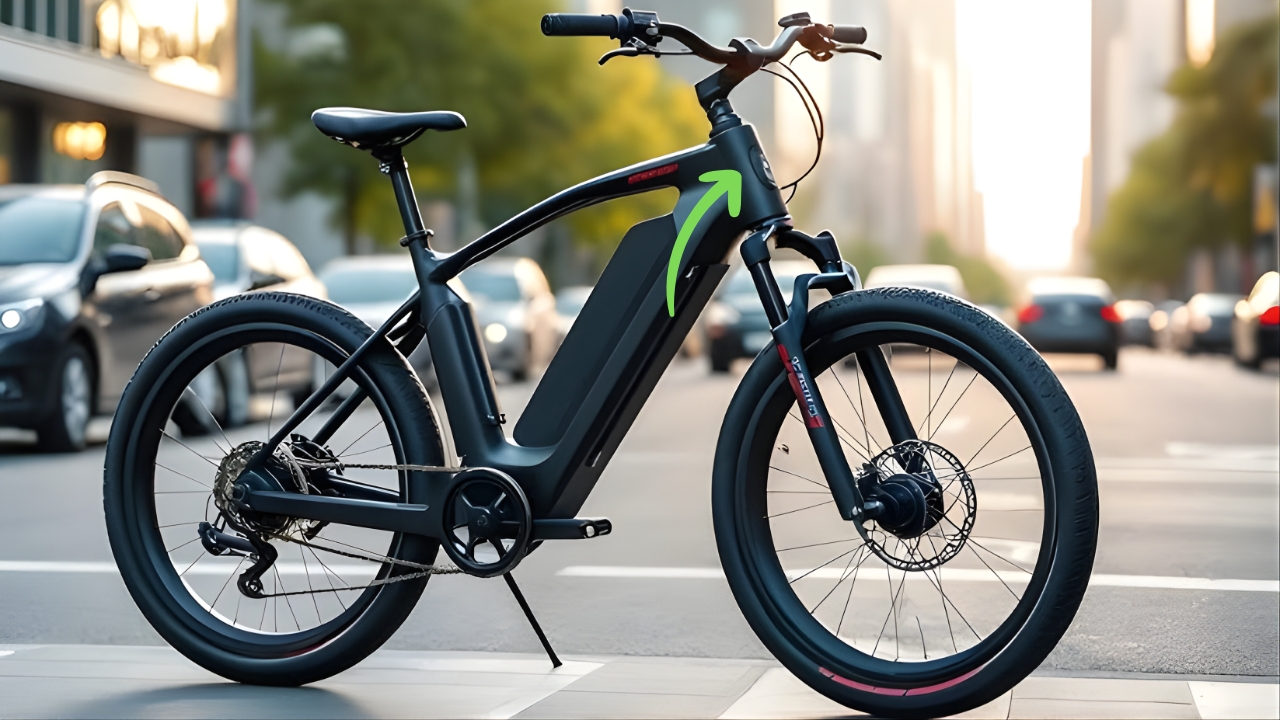
The focus on smart tech is not just about convenience; it is also about making the cycle feel like a modern mobility device rather than an old‑fashioned pedal bike with a motor strapped on.
From a user’s point of view, this means a more intuitive experience, whether that is monitoring battery status, switching modes or using add‑on services such as app‑based insights into riding patterns and efficiency.
Combined with a compact footprint that is easier to park and store than a scooter, the tech layer helps the 2026 model appeal to younger, more connected riders.
Target users and use cases
Hero appears to be positioning this electric cycle as an entry‑level tool for very specific user profiles: students, first‑jobbers, office commuters and short‑haul riders who cover predictable distances in dense urban areas.
For students, especially those juggling classes, tuitions and part‑time work, the low running effort and long range can make daily travel more manageable without relying on public transport or ride‑hailing.
Also Read: Maruti Alto 800 new facelift is launched with luxury interior, mileage is 28 Kmpl in low cost
Office‑goers who live within a reasonable radius of their workplace can treat it as a door‑to‑door solution that avoids both traffic snarls and the headache of finding parking for a larger vehicle.
Short‑distance riders – such as people running local errands, visiting nearby markets or hopping between neighbouring localities – gain an option that is quicker and less tiring than walking but far more economical than firing up a motorcycle for every small trip.
Because it is still a pedal cycle at heart, many users will also see it as a way to blend light daily exercise with essential commuting, a combination that resonates with those who have become more health conscious in recent years.
2026 Hero Electric Cycle
Models like the 2026 Hero electric cycle are part of a wider movement that is gradually redefining what “personal transport” looks like in crowded cities.
By offering assisted cycling with credible range, modern connectivity and a familiar, approachable form factor, the brand is attempting to normalise the idea that not every daily journey requires a scooter or motorcycle.
This shift, if adopted at scale, could reduce local emissions, ease pressure on parking infrastructure and encourage more human‑scale, bicycle‑friendly planning in city cores over the long term.
Also Read this – 2026 Maruti Omni 9-seater luxury Reborn with Ultra Smart features, price is ₹5 lakh only
For now, the 2026 Hero electric cycle stands out as a focused effort to democratise electric mobility at the most personal level, using a format that millions of riders already understand.
Whether it becomes a common sight on urban roads will depend on factors such as build quality, reliability and after‑sales support, but its core formula is clearly aligned with the changing priorities of modern commuters.